On this page
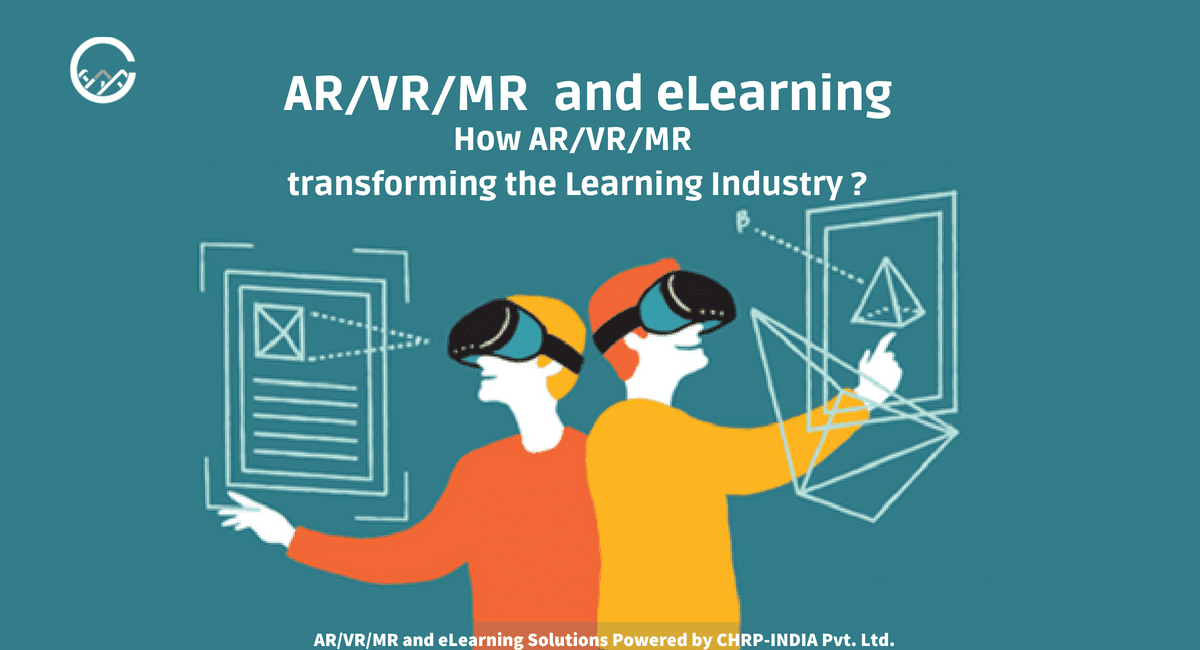
The learning industry is a continuously evolving sector. Technologies such as AR, VR, and MR on eLearning have created a massive impact in last few years. Things do look exciting and interesting on the learning front when it is augmented by the prowess of AR, VR, and MR.
A recent report predicts a global growth of $65.41 billion in the e-learning market. This shows how fast digital technologies have been adopted in learning.
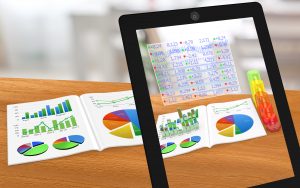
Education through AR/VR/MR – how AR/VR/MR enhances learning
1. Changing the way Leaner learns
Leaner across industry sectors are perceiving the valuable education through XR technologies. For instance, UPS implements Virtual Reality to train its employees and provides safe driving practices. Advanced level education is also getting relevant solutions from AR applications. The Textbook learning is shifting towards more alive and real-interactive learning via virtual reality and mixed reality. A virtual technology solution allows faculty to create live classroom lessons in subjects like mathematics and science. These subjects can be fun and look like 3D games.
2. Bringing entertainment to the learning industry
Learning and training is an essential part of various industries such as healthcare, manufacturing, finance, industrial engineering and educational training. Incorporation of AR, VR and MR is bringing entertainment to such training learning programs. Cutting-edge flexibility of these technologies allow training programs to achieve successful results with higher Returns on Investment (ROI). Industry trainers can now include critical scenarios and concepts in their learning programs without risking lives or spending too much. The interactive nature of such technologies allow users to learn and retain the acquired knowledge.
3. Leverage advanced learning techniques via AR, VR, and MR
Technologies of AR, VR and MR have opened new gates towards learning resources. Learners are now capable of obtaining a whole new level of textbooks that are “alive”. AR textbooks provide an alternative to traditional methods of learning. This reduces the use of paper on a global scale allowing learners to learn via next generation technologies. Thousands of universities all over the globe are now implemented AR, VR and MR technologies to provide interactive learning opportunities for their students.