
On this page
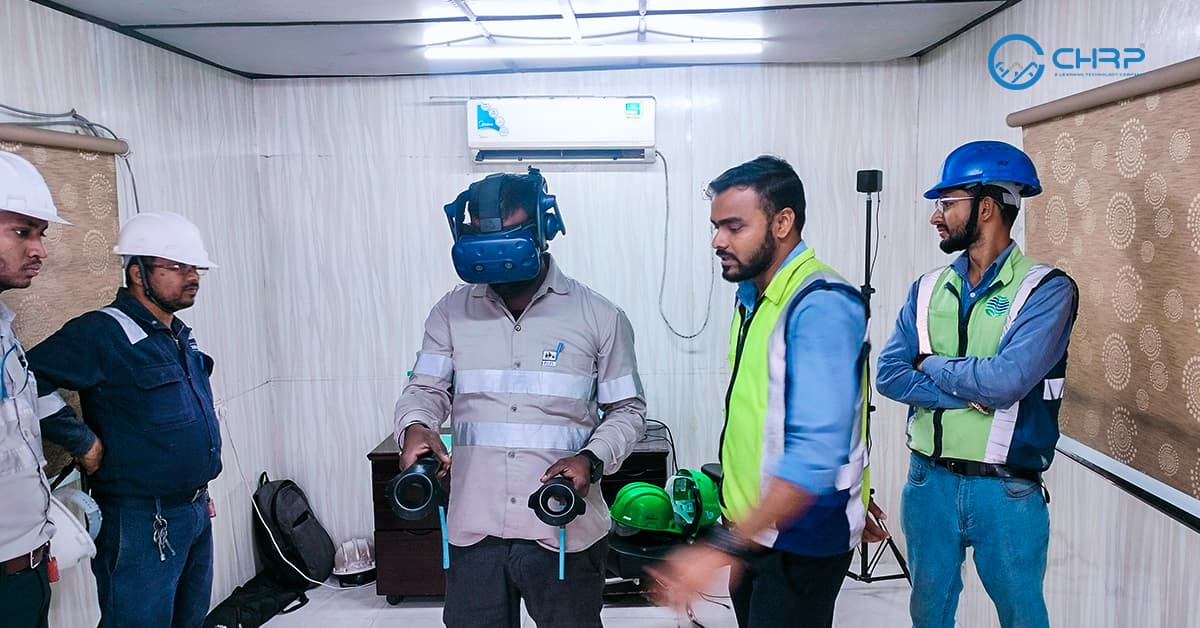
In high-risk industrial environments, traditional safety training methods often fall short in preparing employees for real-world hazards. To address this gap, CHRP-INDIA partnered with Vedanta Jharsuguda, one of India’s leading aluminium manufacturing facilities, to implement immersive Virtual Reality (VR) safety training solutions.
 This case study explores how VR-based training significantly improved workforce preparedness, reduced risk exposure, and enhanced safety culture across operations.
The Solution: VR Safety Training by CHRP-INDIA
CHRP-INDIA deployed a Virtual Reality-based immersive training platform tailored to Vedanta’s operational environment.
This case study explores how VR-based training significantly improved workforce preparedness, reduced risk exposure, and enhanced safety culture across operations.
About the Client: Vedanta Limited
Vedanta Limited Jharsuguda is one of India’s largest aluminium manufacturing plants, operating in a complex industrial ecosystem where safety is mission-critical. With thousands of employees and contractors working in high-risk environments, the organization required a scalable, practical, and impactful training solution that goes beyond theoretical learning.The Challenge
Before implementing VR training, Vedanta faced several common industrial training challenges:- Limited real-world exposure during traditional classroom sessions
- High risk in conducting live safety drills
- Low engagement and retention in conventional training formats
- Difficulty in standardizing safety training across teams
- Need for continuous upskilling in evolving safety protocols
The Solution: VR Safety Training by CHRP-INDIA
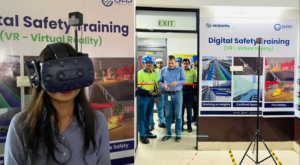
CHRP-INDIA deployed a Virtual Reality-based immersive training platform tailored to Vedanta’s operational environment.
Key Features of the Solution:
- Realistic hazard simulations replicating plant environments
- Scenario-based training for critical safety situations
- Interactive learning modules for better engagement
- Safe exposure to high-risk situations without physical danger
- Standardized training delivery across workforce levels
Implementation Approach
The deployment followed a structured methodology:- Requirement Analysis
- Understanding plant-specific risks and workflows
- Identifying critical safety training gaps
- Custom VR Content Development
- Creating simulations aligned with Vedanta’s real scenarios
- Designing modules for equipment handling, hazard response, and emergency protocols
- On-Site Deployment
- Setting up VR training infrastructure
- Training facilitators and internal teams
- Continuous Learning Integration
- Incorporating VR into regular training programs
- Ensuring repeatable and scalable learning cycles
Key Training Modules Delivered
- Working at height safety
- Confined Space
- Fire safety and emergency response
- Equipment handling procedures
- Hazard identification and risk mitigation
- PPE compliance and behavioural safety & More
Results & Impact
The implementation of VR training delivered measurable improvements:- Improved Safety Awareness
- Higher Engagement Levels
- Risk-Free Practical Exposure
- Stronger Safety Culture
- Standardized Training Delivery
Why VR Training Works in Industrial Environments
Virtual Reality bridges the gap between theory and practice by enabling:- Experiential learning
- Muscle memory development
- Faster decision-making under pressure
- Better retention of safety procedures
CHRP-INDIA’s Role in Driving Transformation
CHRP-INDIA specializes in delivering:- VR-based industrial safety training
- eLearning and digital training ecosystems
- Customized workforce development solutions
Conclusion
The collaboration between CHRP-INDIA and Vedanta Limited demonstrates how immersive VR training can transform workplace safety outcomes.We are happy to work with Vedanta Limited in transforming safety training through Virtual Reality.
As industries continue to evolve, adopting innovative training methods like VR will be crucial in ensuring employee safety, operational efficiency, and long-term sustainability.