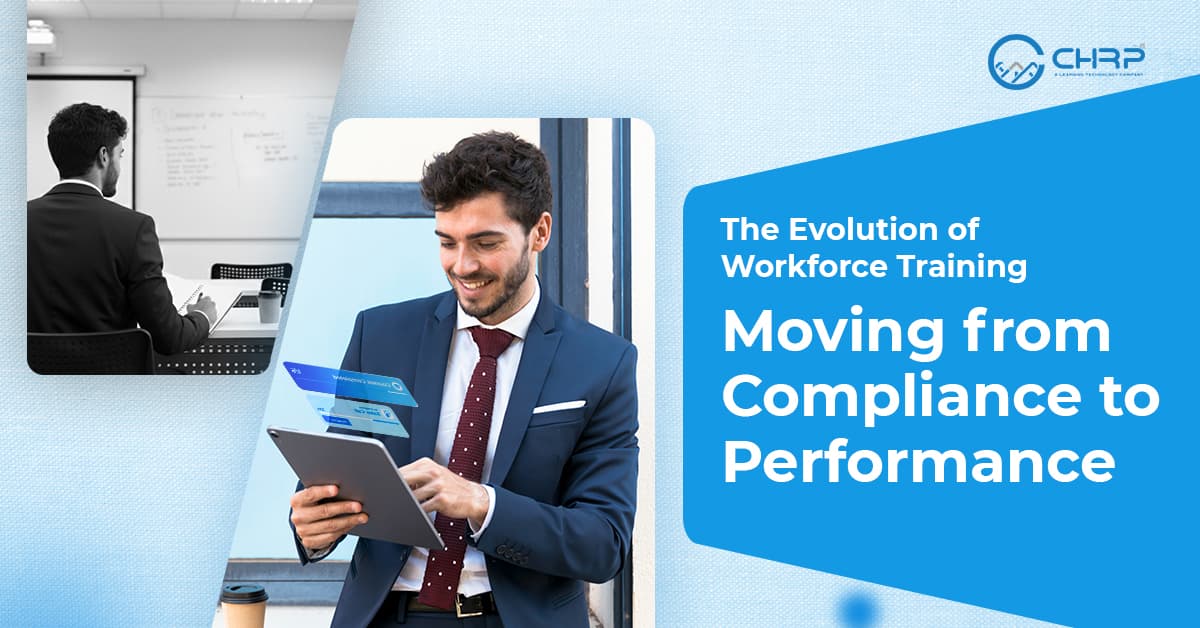
In a rapidly shifting economic landscape, the primary challenge for modern organizations is not just hiring talent, but maintaining a workforce that is agile, skilled, and compliant. Traditional training methods - often one-size-fits-all and lecture-heavy - frequently struggle to produce measurable behavioural changes or long-term knowledge retention.
At CHRP-INDIA, we focus on bridging this gap by developing custom eLearning ecosystems that prioritize the learner’s experience and the organization's strategic goals.
The Drivers of Modern eLearning Strategies
The transition toward digital-first training is driven by three critical shifts in the corporate environment:
- The Rise of Distributed Work: With hybrid and remote models now standard, organizations require centralized, accessible training that maintains a consistent quality of education regardless of a learner's physical location.
- Rapid Skill Obsolescence: As technology cycles shorten, the shelf-life of professional skills is shrinking. Static training manuals are being replaced by dynamic digital content that can be updated in real-time.
- The Engagement Gap: Research consistently shows that passive learning (reading or watching) leads to lower retention than active learning (doing or interacting). Interactive eLearning is designed to stimulate cognitive engagement.
- Immersive Technologies (AR/VR/MR)
- Evidence-Based Instructional Design
- Scalability and Global Delivery
- Technical Integration and Analytics
- Immersive Simulations: For hands-on roles and safety-critical tasks.
- Microlearning: Focused, 3-5 minute modules designed for just-in-time learning.
- Gamified Elements: Incorporating mechanics like branching scenarios and assessments to increase motivation.
- Mobile-Optimized Learning: Ensuring training is accessible on any device, anywhere.